
Opening the “Black Box” of Software Pricing
For most US business owners, getting a quote for a new application feels remarkably like taking a high-end European car to a mechanic for a “vague noise.” You know something needs to be built, you know it’s essential for your growth, but the numbers you get back often feel arbitrary, inconsistent, and—frankly—hidden inside a “black box.”
One agency quotes you $30,000; another quotes $150,000 for what seems like the exact same set of requirements. This lack of transparency is where most software projects fail before the first line of code is even written. Without a clear understanding of app development price factors, you aren’t just investing in tech; you’re gambling with your capital.
At Vedhas Technology, we’ve built our reputation on “Price Certainty.” We believe that you shouldn’t need a computer science degree to understand your invoice. Whether you are a startup in Seattle or an established firm in Columbus, software project pricing should be a data-driven conversation, not a guessing game.
We developed our interactive software development cost estimator to pull back the curtain. Our goal is to give you the “insider’s secrets” to how engineering hours are actually calculated, empowering you to make budget trade-offs that align with your business goals, not just an agency’s bottom line.
Factor 1: Scope & Feature Complexity (The “What”)
In the world of development, a “simple” feature is rarely simple. Business owners often assume that a feature like a “User Login” is a standard, off-the-shelf component. However, the logic behind that screen is one of the primary software project cost drivers.
A basic login might just require an email and password. But once you add “Social Login” (Google or Apple ID), “Multi-Factor Authentication” (MFA) for security, and a robust “Password Recovery” workflow, the engineering hours required can triple. This isn’t just about what the user sees; it’s about the complex “handshakes” happening between your app and the database.
This is exactly why our estimator asks you to define the “Level of Application” (Basic vs. Polished).
- Basic Logic: Includes essential functionality with standard workflows. It gets the job done efficiently.
- Polished Logic: Involves bespoke animations, advanced automation, and deeper layers of conditional logic that create a premium user experience.
As a business owner, understanding that feature complexity equals development time is your best tool for budget control. Every “small” addition to the scope adds a layer of testing and integration. By prioritizing core functionality first, you ensure your investment is focused on the features that will actually drive ROI for your business.
Factor 2: UX/UI Design Depth (The “Look & Feel”)
For a US-based business, design is never just about “pretty pictures”—it’s about conversion, retention, and brand authority. In a competitive market, your users have zero patience for clunky interfaces. However, the depth of design you choose is one of the most significant app development price factors.
There is a vast difference between a functional interface and a “world-class” user experience. When you see a wide range in software project pricing, it often comes down to the hours dedicated to UI (User Interface) and UX (User Experience) research.
At Vedhas, we categorize design into two levels to help you decide where to invest:
- Functional Design: We use established design systems (like Material Design) that are intuitive and familiar to users. This keeps UX/UI design costs lower while ensuring the app is professional and easy to navigate.
- Bespoke Branded Design: This involves custom iconography, unique transitions, and micro-interactions tailored specifically to your brand identity. While this increases the budget, it is often a non-negotiable for B2C apps looking to disrupt an industry.
Moreover, for our clients, we prioritize ADA (Americans with Disabilities Act) compliance. Ensuring your app is accessible to all users isn’t just a legal safeguard; it expands your market reach. When our estimator asks about your design preferences, it’s calculating the creative man-hours required to move your project from “standard” to “standout.”

Factor 3: Third-Party Integrations (The “Connections”)
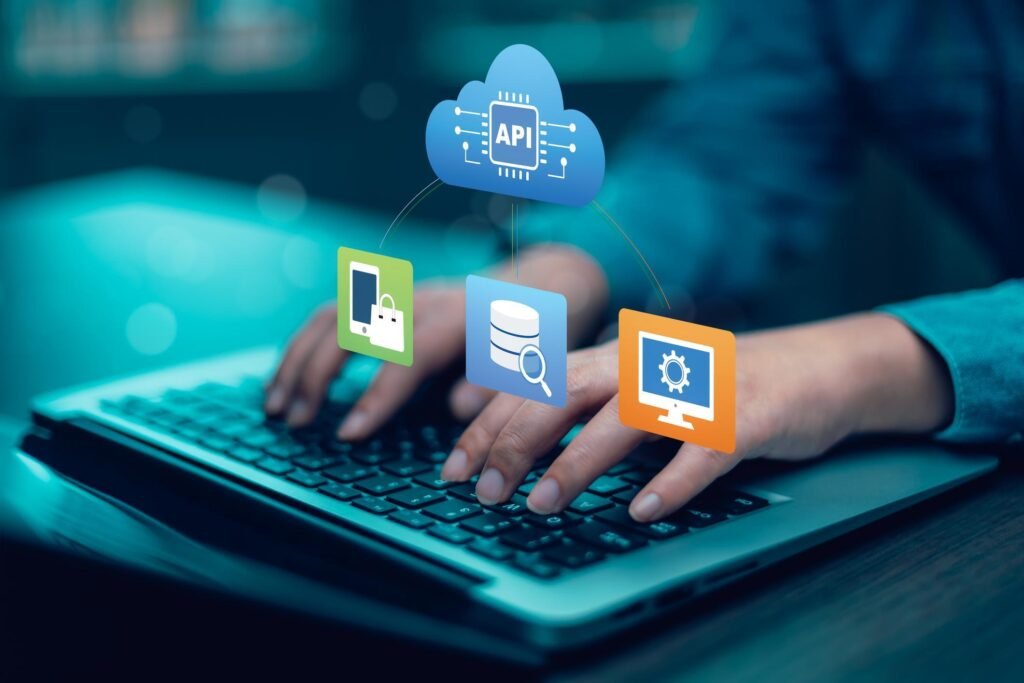
One of the most common surprises for business owners is how much “connecting” an app to other services can influence the budget. Your application rarely lives on an island; to be useful, it often needs to talk to the tools you already use—like Stripe for payments, Salesforce for CRM, or Twilio for SMS notifications.
These API integration costs are a major factor in your overall budget because they aren’t “plug-and-play.” Every third-party service has its own unique language (documentation) and security requirements. Our developers have to build custom “piping” to ensure that data flows securely and accurately between your app and the outside world.
When the Vedhas estimator asks about “Third-party integrations,” it is calculating the time needed for:
- Authentication & Security: Ensuring that when your app talks to a bank or a CRM, the data is encrypted and the “handshake” is valid.
- Error Handling: What happens if Stripe is down? We have to write code to handle those failures so your app doesn’t crash.
- Data Mapping: Ensuring that “Customer Name” in your app matches exactly with “Client_Name” in your database.
By identifying these connections early, we help you avoid the hidden third-party software pricing traps that often catch founders off guard mid-development. It’s better to know the cost of a “connection” now than to realize your budget is exhausted 70% of the way through the build.
Factor 4: Platform Strategy (Web vs. iOS vs. Android)
One of the most strategic decisions you will make—and one that significantly shifts your app development price factors—is where your application will live. In the US market, user behavior often dictates the platform, but your budget determines the execution.
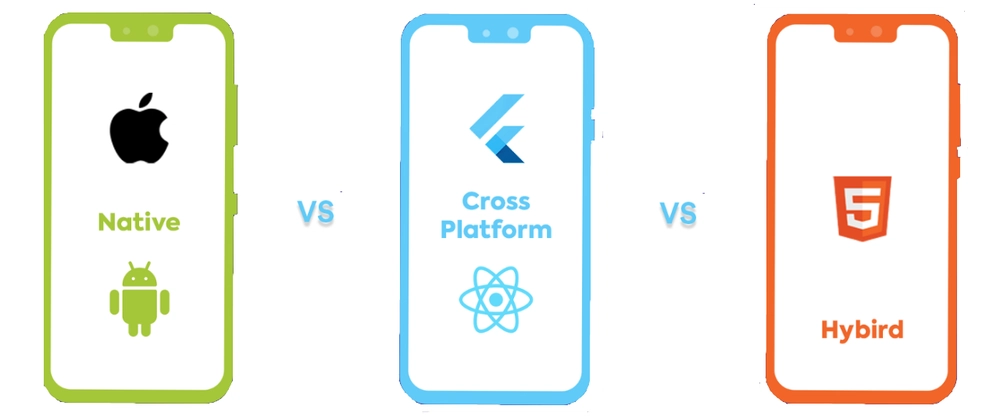
At Vedhas, we help business owners navigate the “Web vs. Native” debate by looking at cross-platform development costs versus the long-term ROI. Here is how the platform choice impacts your numbers:
- Web Applications: Generally the most cost-effective and fastest way to reach a broad audience. Because they run in a browser, they don’t require the strict approval processes of the Apple App Store or Google Play Store. For B2B tools or internal business systems, this is often the smartest starting point.
- Mobile Apps (iOS & Android): If your business requires high engagement, offline access, or push notifications, mobile is essential. However, building two separate “Native” apps for iOS and Android can effectively double your development hours.
- The Hybrid/Cross-Platform Advantage: This is where we often steer our US clients. Using frameworks like Flutter or React Native, we can build one codebase that runs on both iPhone and Android. This approach typically saves 30% to 40% of the budget compared to native builds while maintaining “native-like” performance.
When our project budget estimator asks which platform you prefer, it’s not just a checkbox. It’s a calculation of how many unique environments we need to build, test, and maintain. Choosing the right platform strategy ensures you aren’t paying for infrastructure your customers don’t actually need yet.
Factor 5: Backend Infrastructure & Scalability
Many business owners focus on the “Front-end”—the buttons and colors they can see. However, the most critical software project cost drivers are often hidden under the hood in the backend. Your backend is the engine that processes data, manages users, and keeps the lights on.
The cost of this infrastructure depends entirely on your growth projections. Building an app for 100 internal employees is a fundamentally different engineering task than building a consumer app intended for 100,000 users across the US.
At Vedhas, we look at software scalability through three lenses:
- Cloud Architecture: We primarily utilize AWS (Amazon Web Services) or Microsoft Azure. The way we configure these servers—using “Auto-scaling” to handle traffic spikes—requires more upfront engineering but prevents your app from crashing during a busy launch.
- Database Optimization: As your data grows, a poorly designed database becomes slow and expensive. We invest time in “indexing” and “query optimization” so your app stays fast even as your user base scales.
- Data Security: Protecting user data isn’t just a feature; it’s a requirement. This includes setting up firewalls, SSL certificates, and regular automated backups.
Investing in a scalable foundation now is an insurance policy against the massive costs of “re-platforming” later.
Factor 6: Security & Compliance (The “Legal Safeguard”)
In the United States, security is no longer a “nice-to-have” feature—it is a legal and financial mandate. If your business operates in specialized sectors, your app development price factors will be heavily influenced by the level of compliance required to keep your data (and your customers) safe.
At Vedhas Technology, we don’t treat security as an afterthought. We build it into the DNA of the code. This is why our estimator includes specific industry selectors; a standard retail app has a completely different security profile than a telehealth platform.
- Healthcare (HIPAA): If your app handles patient data, HIPAA compliance is mandatory. This requires end-to-end encryption, strict audit trails, and secure data storage solutions. These requirements add significant engineering hours but protect you from million-dollar fines.
- Finance & Payments (PCI-DSS): Handling credit card data or financial transactions requires high-frequency security audits and specialized encryption protocols to meet PCI standards.
- General Data Protection: Even for standard apps, we implement OAuth 2.0 for secure logins and encrypted databases to protect against the rising threat of data breaches in 2026.
When you select an industry like “Healthcare” or “Fintech” in our project budget estimator, the tool automatically factors in the additional “Hardening” hours required. Security isn’t just an expense; it’s an insurance policy that protects your brand’s reputation and your legal standing.

Factor 7: QA & Testing (The “Insurance Policy”)
Most software projects don’t fail because they aren’t finished; they fail because they weren’t tested. In the US market, where user expectations for “bug-free” performance are at an all-time high, software quality assurance cost is not an “extra”—it is your project’s insurance policy.
A significant portion of software project pricing is dedicated to breaking the app before your customers do. At Vedhas, we follow a rigorous testing protocol that ensures your product is market-ready from day one.
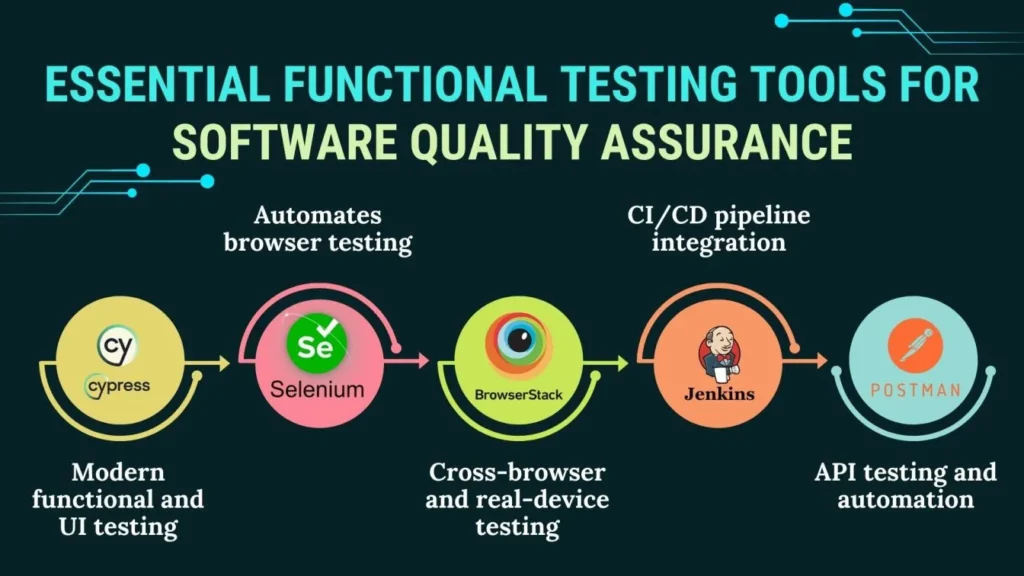
- Functional Testing: Does every button work? Does the payment go through? This ensures the core logic we built in Section I is flawless.
- Compatibility Testing: We test across various devices (iPhone 13 through iPhone 16, Samsung Galaxy series) and browsers (Chrome, Safari, Edge) to ensure a consistent experience.
- Performance/Stress Testing: We simulate thousands of users hitting your servers at once to ensure the software scalability we planned in Section VI actually holds up under pressure.
- User Acceptance Testing (UAT): This is where we hand the keys to you. You test the app in a “staging” environment to ensure it meets your specific business requirements before the official launch.
The “Vedhas Hybrid” Advantage: Balancing Price and Quality
For a US business owner, the “software project pricing” debate often feels like a choice between two extremes: hiring a high-priced local agency in the States or taking a massive risk with a low-cost, unmanaged offshore team.
At Vedhas Technology, we’ve pioneered a Hybrid Development Model that offers a third way. This model is designed to maximize your startup software budget without sacrificing the quality or communication you expect from a local partner.
- US-Based Strategic Advisory: You aren’t just sending requirements into a void. You work with our US-based advisors who understand the American market, regulatory landscape (like HIPAA/ADA), and business culture. They act as your product managers, ensuring your vision is translated perfectly into technical specs.
- Offshore Engineering Efficiency: By utilizing our high-performance engineering centers, we can significantly lower the overall app development price factors. This allows us to dedicate more hours to complex tasks—like security “hardening” and QA testing—that a strictly US-based team might have to cut to stay under budget.
The Result: You get the accountability and strategic insight of a local firm, backed by a deep bench of engineering talent that allows your budget to go twice as far. This “Price vs. Quality” balance is the core reason why our project budget estimator can offer such competitive, yet realistic, numbers.

Control Your Numbers, Don’t Let Them Control You
Budgeting for software doesn’t have to feel like a gamble. By understanding these 7 software development budget factors, you transition from a “buyer” to a “partner” in the development process. You now have the language to discuss trade-offs, the insight to prioritize security, and the data to justify your investment to stakeholders.
At Vedhas Technology, we don’t believe in “guesstimates.” We believe in precision. Our goal is to provide US business owners with the technical excellence of a global team combined with the transparency and accountability of a local partner.