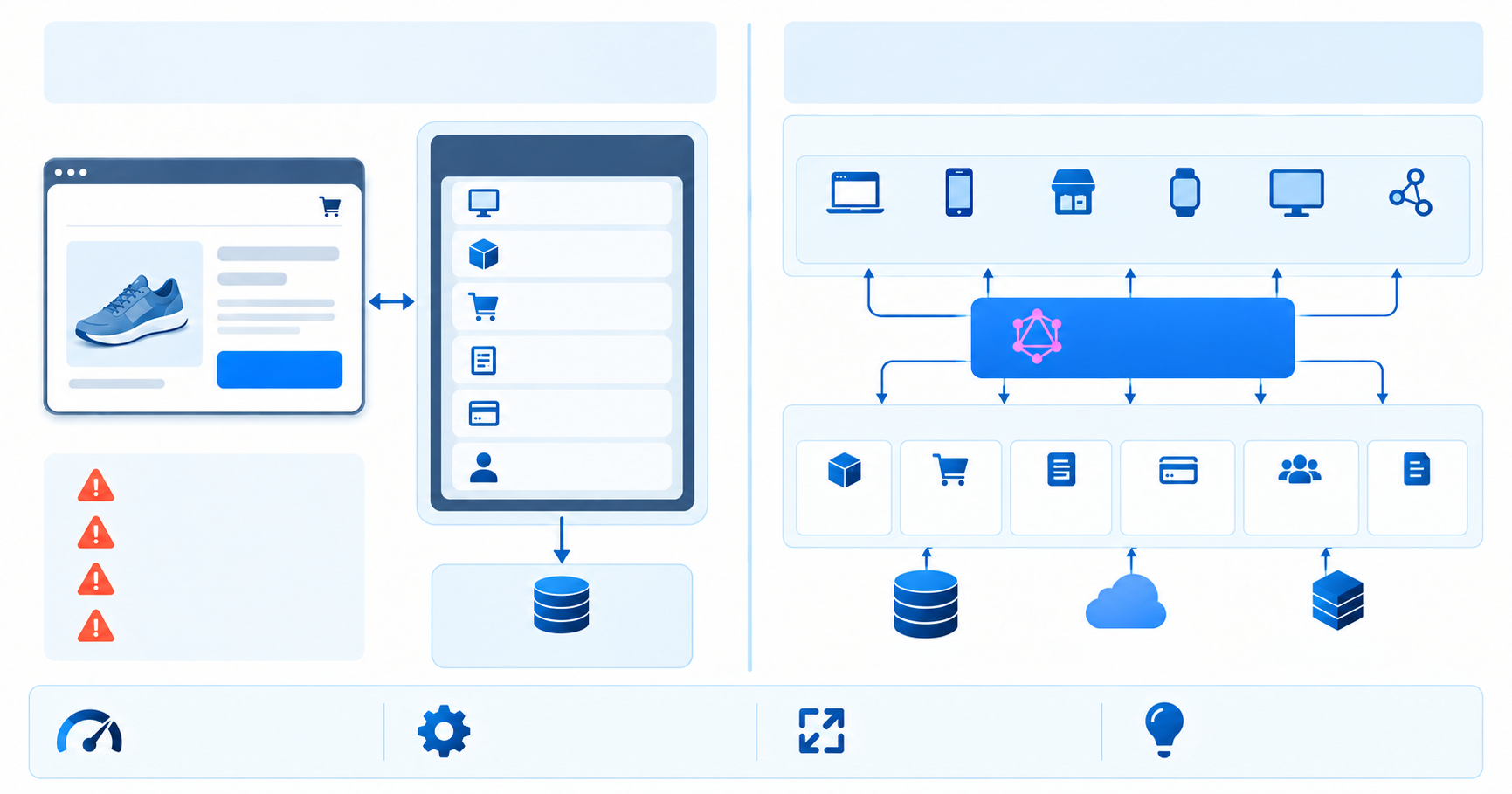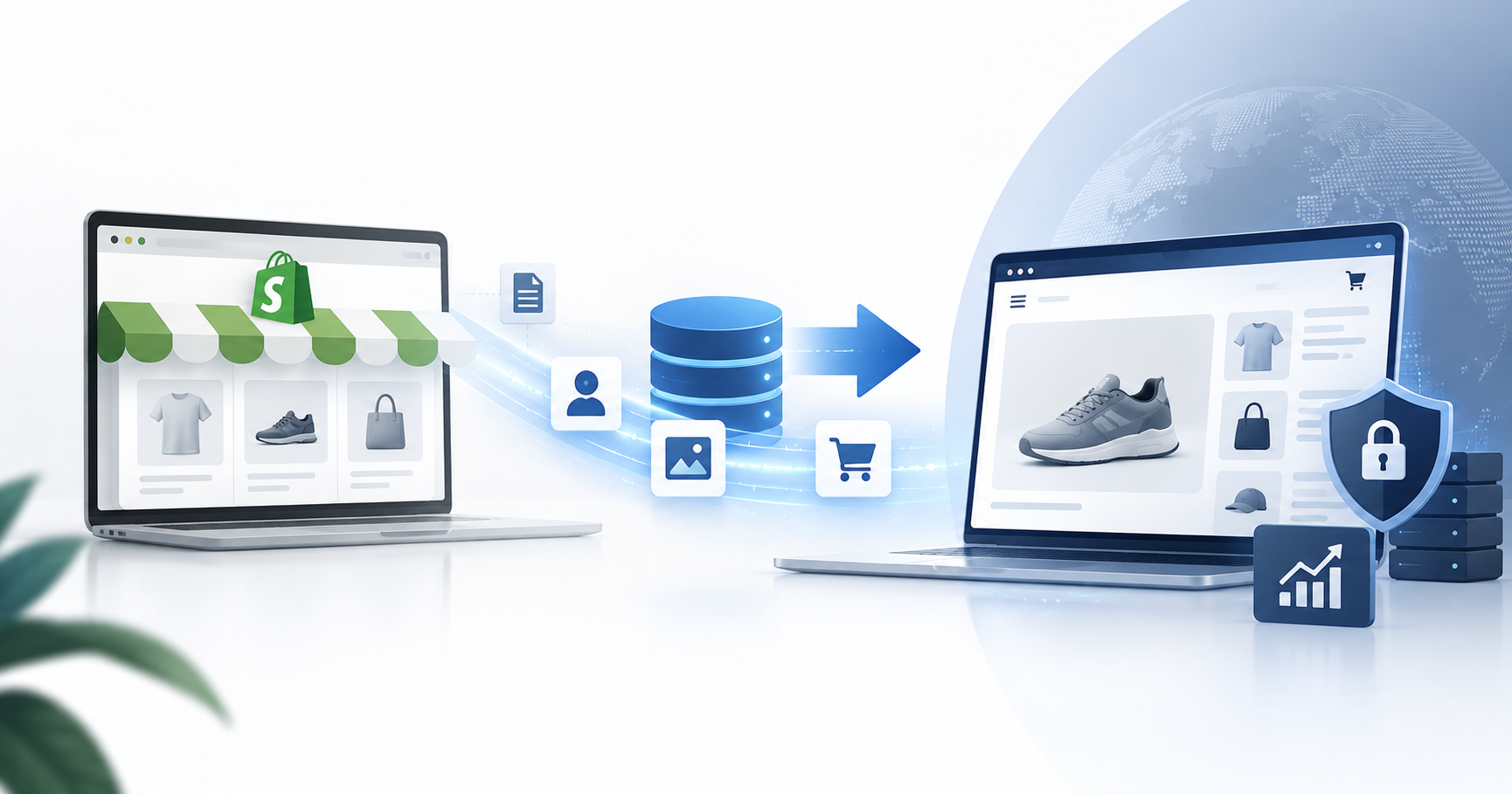
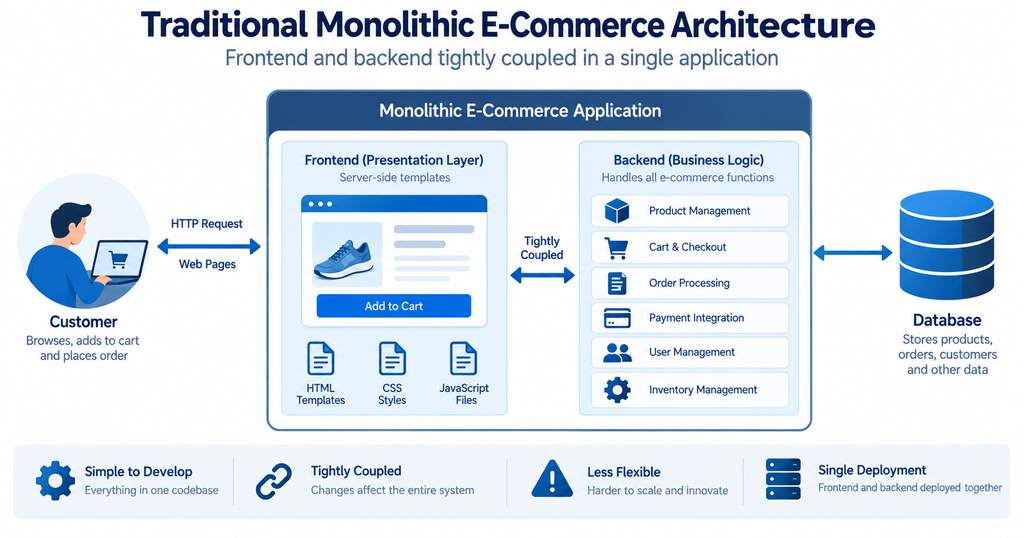
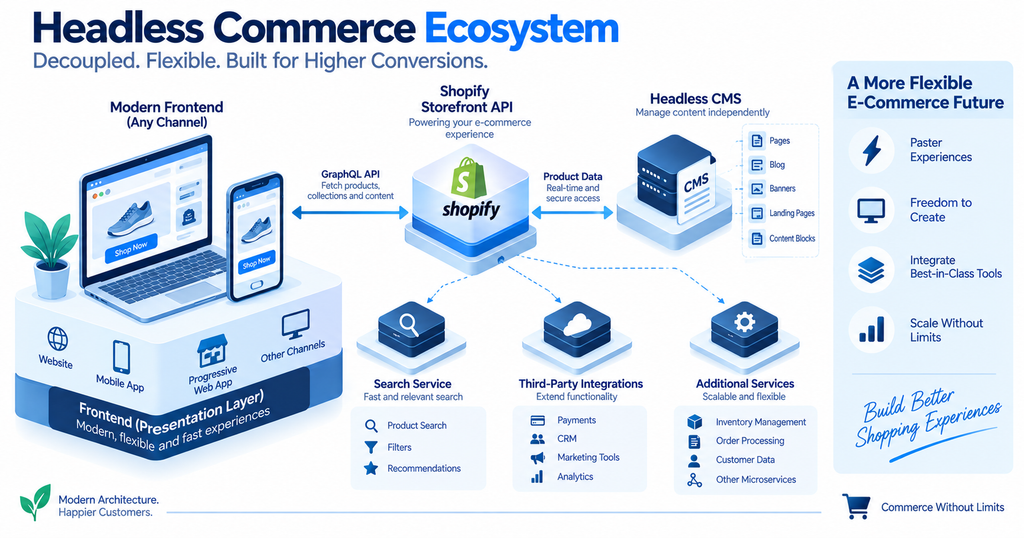
Shopify Store vs Headless Commerce: The core distinction is that a traditional Shopify Store is a tightly coupled monolith where the frontend presentation (Liquid template) and backend commerce engine (checkout, database, inventory) work as a unified package. Headless Commerce separates the frontend presentation layer from the backend commerce engine, connecting them through GraphQL or REST APIs.
Key Takeaways
- The Core Distinction: A traditional Shopify store is a tightly coupled monolith where the frontend presentation (Liquid template) and backend commerce engine (checkout, database, inventory) run as a single unified package. Headless commerce separates the frontend presentation layer from the backend commerce engine, connecting them via GraphQL or REST APIs.
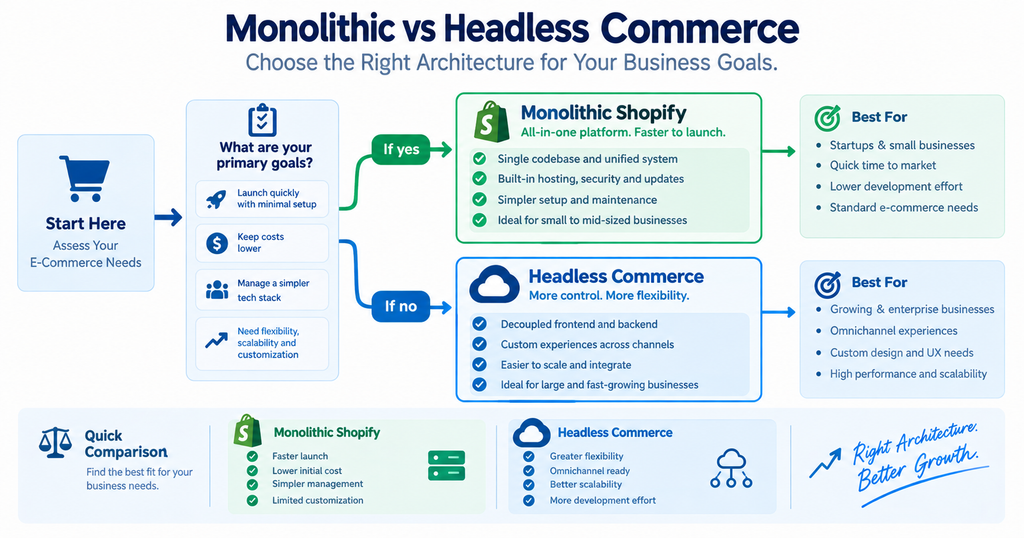
- When Traditional Shopify Wins: Best for brands generating under $2M–$5Min GMV that need rapid deployment (2–4 weeks), low initial development costs ($5k–$25k), and zero in-house developer dependencies for daily merchandising updates.
- When Headless Commerce Wins: Ideal for high-growth direct-to-consumer (DTC) and omnichannel brands ($5M+ GMV) requiring sub-second Core Web Vitals, bespoke 3D/configurator product experiences, content-heavy storytelling via dedicated Headless CMS (Sanity/Contentful), and unified commerce across web and native mobile apps.
- The Developer Trade-off: Headless commerce delivers complete frontend sovereignty and superior page speed, but eliminates Shopify’s no-code Theme Editor and standard app “plug-and-play” widgets. Every frontend change, analytics tag, and third-party review tool must be engineered custom.
- Framework Ecosystem: Modern headless Shopify builds typically leverage Next.js 15 (React) deployed on edge networks (Vercel/Cloudflare) or Shopify’s native Hydrogen (Remix) framework deployed on Oxygen.
Every high-growth merchant eventually faces a major architectural fork in the road: should you build on Shopify’s native monolithic theme engine or decouple your frontend into a modern headless commerce architecture? While agency sales pitches often portray headless as an automatic upgrade, decoupling your presentation layer introduces significant engineering complexity. Making the right choice between Shopify store vs headless commerce requires balancing speed, operational overhead, and long-term return on investment (ROI).
At a Glance: Monolithic Shopify vs. Headless Shopify Comparison Matrix
Review this comprehensive comparison table to evaluate how standard Shopify themes compare against decoupled headless builds across performance, costs, workflows, and developer requirements:
| Architectural & Business Dimension | Standard Monolithic Shopify (Liquid) | Decoupled Headless Shopify (Next.js / Hydrogen) | Full Headless Microservices (Custom Backend) |
|---|---|---|---|
| Architecture Model | Coupled Monolith (All-in-one SaaS) | Decoupled Frontend + Shopify API Backend | Composable Microservices (MACH Architecture) |
| Frontend Framework | Shopify Liquid + Vanilla JS / CSS | Next.js, React, or Remix (Hydrogen) | React, Vue, Svelte, or Mobile Native (Flutter/iOS) |
| Initial Build Investment | $5,000 – $25,000 | $30,000 – $75,000 | $60,000 – $150,000+ |
| Typical Time to Market | 2 – 6 weeks | 8 – 16 weeks | 16 – 28 weeks |
| Mobile Core Web Vitals (LCP/INP) | Average | Exceptional | Exceptional (100 / Sub-second LCP) |
| Merchandising & Content Editing | Native Shopify Theme Editor (No-Code) | Requires Headless CMS (Sanity, Strapi, Prismic) | Custom Admin Portal or Enterprise Headless CMS |
| Shopify App Store Compatibility | Generally compatible, with some custom integration | Requires custom API integration per tool | No Shopify App dependency (Custom Microservices) |
| Checkout Experience | Standard Shopify Checkout / Plus Extensibility | Redirect to Shopify Checkout or Custom API | 100% Bespoke Custom Checkout Pipeline |
| Omnichannel Channel Distribution | Web-only (Separate codebase for mobile apps) | Single API serves Web, Mobile Apps, POS, Kiosks | Unified API serves any digital endpoint |
| Ongoing Engineering Overhead | Low (Internal non-technical team or freelancer) | Moderate/High (Dedicated React/Frontend Devs) | High (Full-Stack & DevOps Engineering Team) |
| Target Revenue Band | $250k – $3M GMV | $3M – $20M GMV | $15M – $100M+ GMV |
Understanding the Monolithic Shopify Model (How Traditional Liquid Works)
In a traditional Shopify store, the frontend and backend are inextricably linked inside Shopify’s closed ecosystem.
The Advantages of Monolithic Shopify
- Rapid Deployment & Low Initial Cost: Merchants can select pre-built themes, configure colors and typography, and launch a complete e-commerce store in under a month for a fraction of custom development costs.
- Zero-Code Merchandising: Non-technical marketing teams can create landing pages, reorder product collections, and edit promotional banners using the native drag-and-drop Shopify Customizer without developer intervention.
- App Store Ecosystem: Thousands of apps (reviews, upsells, loyalty programs, email capture) install with a single click, automatically injecting their scripts into the Liquid template structure.
- Zero Hosting or DevOps Management: Shopify manages all server provisioning, SSL certificates, database indexing, and auto-scaling during Black Friday/Cyber Monday traffic surges.
The Limitations of Monolithic Shopify
- Liquid Rendering Latency: Every page request must be processed on Shopify’s servers to render Liquid templates before delivering HTML, preventing advanced edge-side rendering optimizations.
- Third-Party Script Bloat: As stores install 15–30 apps to add specialized features, unoptimized JavaScript accumulates, degrading mobile Core Web Vitals and lowering conversion rates. For a deeper breakdown of these performance issues, read our guide on why your e-commerce website is not converting.
- Rigid URL Structures: Monolithic Shopify enforces inflexible URL patterns (e.g.,
/collections/mens/products/sneakers), restricting international SEO and custom taxonomy strategies.
Understanding Headless Commerce (How Decoupled Architecture Works)
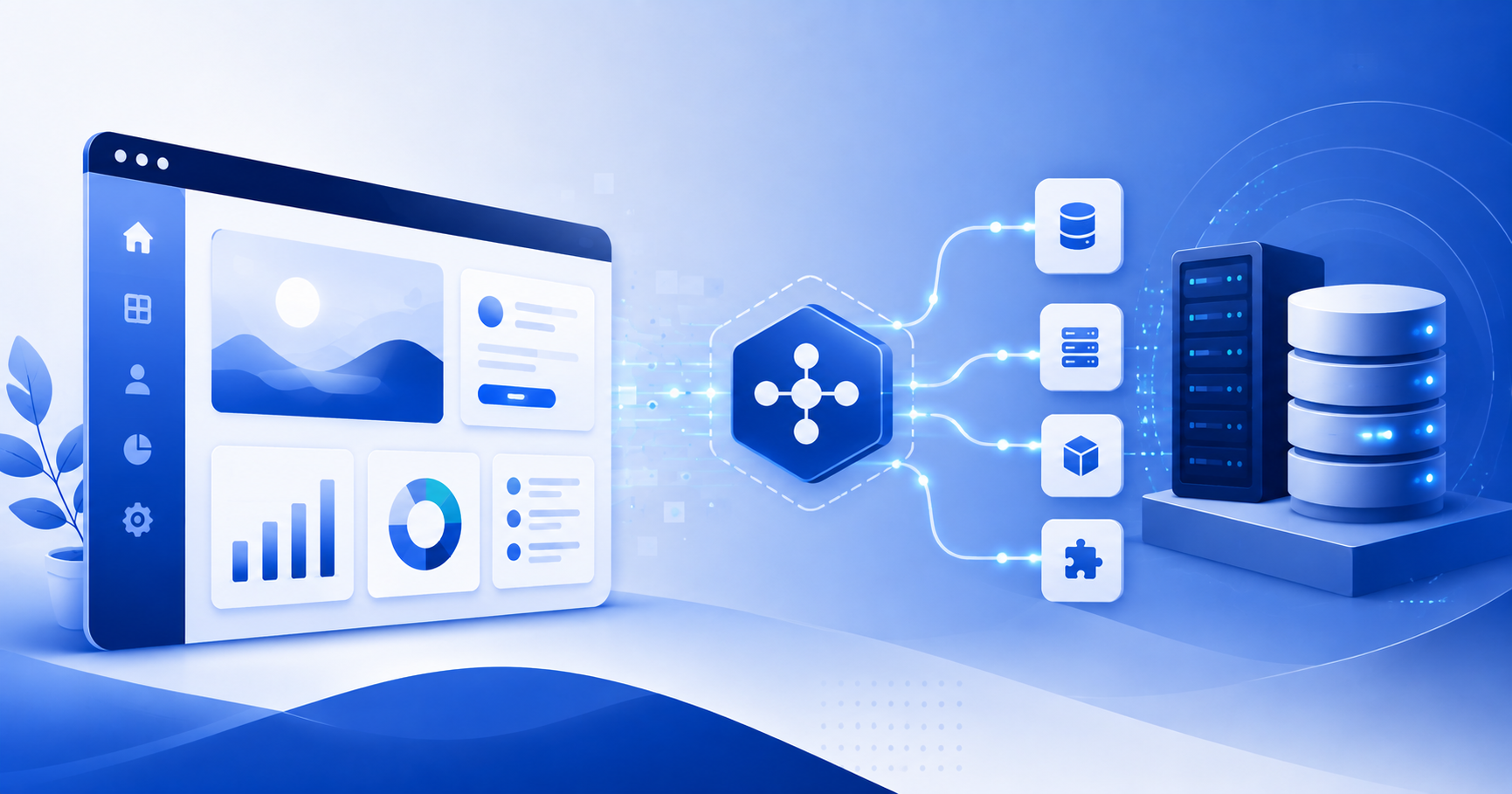
In a headless commerce setup, you sever the frontend presentation layer from the backend database. Shopify is retained strictly as an API-driven commerce engine, while a custom frontend is engineered using modern frameworks like React or Next.js.
The Advantages of Headless Commerce
- Unrivaled Frontend Performance & Sub-Second Page Speed: By leveraging static site generation (SSG), Incremental Static Regeneration (ISR), and global edge caching (Cloudflare/Vercel), headless frontends achieve near-instantaneous page loads and perfect 100/100 Core Web Vitals.
- Infinite Design & UX Freedom: Developers are not constrained by Liquid theme conventions. You can build advanced 3D product customizers, multi-step interactive quizzes, or bespoke interactive storytelling experiences.
- True Omnichannel Architecture: A single headless backend API simultaneously powers your desktop web store, native iOS/Android apps built with Flutter or React Native, physical retail POS screens, and in-store interactive kiosks.
- Rich Content & Editorial Storytelling: By integrating enterprise Headless CMS platforms like Sanity, Contentful, or Strapi, marketing teams can build deeply customized editorial blogs, look books, and brand journals without polluting product databases.
The Hidden Realities of Headless Commerce
- No Plug-and-Play Apps: When you go headless, Shopify App Store apps that modify the frontend theme do not work out of the box. Every review widget (Yotpo/Klaviyo), live chat modal, and search bar must be integrated via custom APIs.
- Higher Build & Maintenance Budgets: Initial development requires specialized React developers and Node.js developers, with ongoing retainer costs for frontend maintenance.
- Preview & Merchandising Complexity: Marketing teams lose Shopify’s WYSIWYG theme editor and must rely on Headless CMS visual preview pipelines, requiring training and workflow adjustments.
Key Decision Drivers: 5 Factors to Determine Which Architecture Fits
To determine whether your organization should stay on a standard Shopify store or invest in headless architecture, evaluate these 5 operational and technical criteria:
- Revenue Scale & Return on Investment (ROI)
Decoupling your storefront requires an upfront engineering investment of $30,000 to $75,000+ and ongoing maintenance. If your store generates $500,000 annually, a 15% conversion lift from headless speed will produce $75,000 in gross revenue—barely covering the build cost. However, if your brand generates $10,000,000 annually, that same 15% conversion lift delivers $1,500,000 in incremental top-line revenue, delivering an exponential ROI on your technical investment. - Omnichannel Strategy & Native Mobile Applications
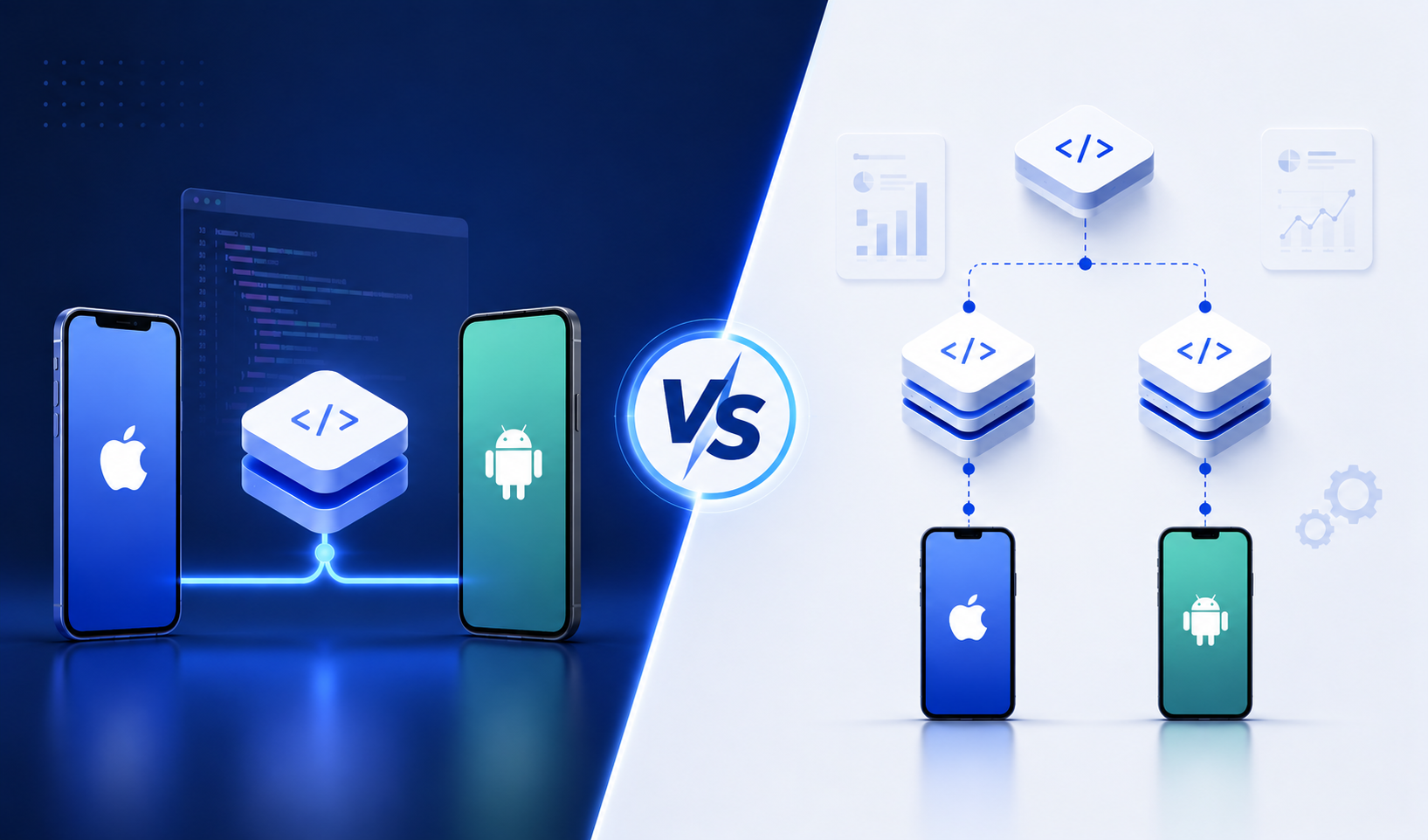
If your digital roadmap includes launching custom mobile apps on iOS and Android, building on monolithic Liquid forces you to maintain separate web and mobile logic. In a headless setup, your mobile app development services team connects directly to the exact same GraphQL Storefront APIs and Headless CMS endpoints that power your website, eliminating redundant backend engineering. - Catalog Complexity & Bespoke Merchandising
If you sell standard apparel, packaged goods, or accessories with simple variant options (size, color), standard Shopify themes handle your requirements flawlessly. However, if your business requires interactive dimensional customizers, dynamic live pricing calculators, or multi-brand bundle builders, monolithic Liquid will bottleneck your user experience. - Team Composition & Developer Independence
Ask an honest question: Does your organization employ dedicated frontend engineers, or does your marketing team manage the storefront independently? If you do not have in-house React engineers or a trusted staff augmentation partner, transitioning to headless can create severe operational bottlenecks where simple text edits require developer tickets. - Content-Led Commerce & Brand Storytelling
If your growth model relies heavily on long-form lifestyle content, editorial journalism, lookbooks, and community education (common in luxury beauty, health & wellness, and technical apparel), Shopify’s native blogging engine is notoriously limited. A headless frontend paired with Sanity or Contentful enables rich, immersive content-commerce experiences where editorial articles embed interactive, 1-click purchasable product cards seamlessly.
Headless Tech Stacks: Next.js vs. Shopify Hydrogen
If your brand chooses the headless route, the next architectural decision is selecting the right frontend framework:
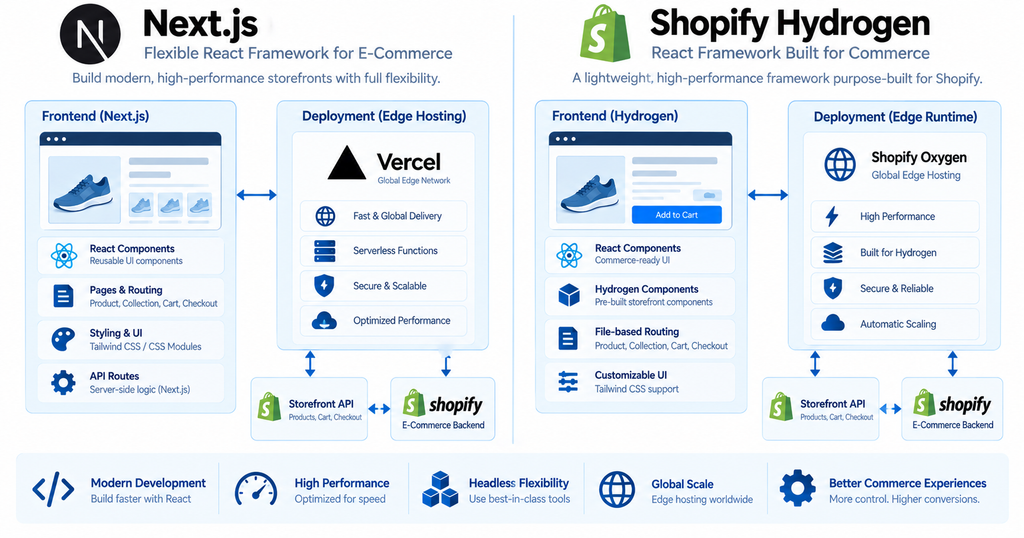
Option A: Next.js 15 (React) on Vercel / Cloudflare
- Strengths: Largest developer talent pool globally, extensive ecosystem of pre-built UI components, exceptional flexibility to combine Shopify with external microservices (.NET, Python, Node.js), and superior edge caching through Incremental Static Regeneration (ISR)
- Best For: Large enterprises, brands with existing React engineering teams, and multi-backend composable architectures. Explore hiring dedicated React developers to build your custom Next.js storefront.
Option B: Shopify Hydrogen — Remix framework
- Strengths: Shopify’s official first-party headless stack built on the Remix framework. Delivers pre-configured Storefront API data fetching hooks, built-in cart state management, and frictionless zero-configuration hosting on Shopify’s global Oxygen edge network.
- Best For: Merchants who want an official, standardized Shopify headless path with minimal third-party hosting complexity. Work with experienced Shopify developers specializing in Hydrogen.
Common Pitfalls to Avoid When Going Headless
Decoupling your storefront is a major technical undertaking. Avoid these four costly mistakes:
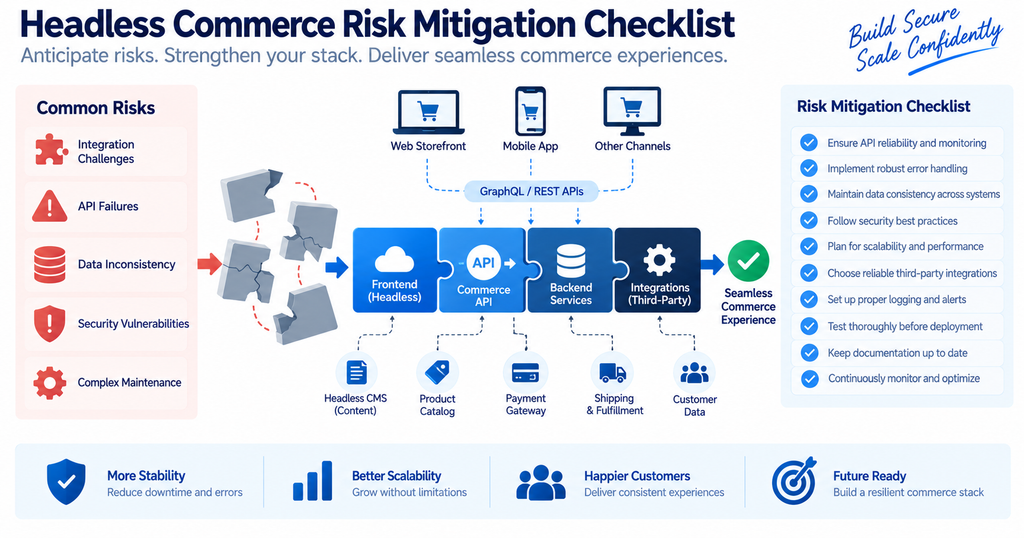
- Going Headless for Pure Vanity (The “Tech for Tech’s Sake” Trap)
Decoupling a store that generates $300,000 annually with 20 simple products is an expensive mistake. The additional hosting, maintenance, and developer fees will erode your operating margins without generating proportional revenue gains. - Forgetting to Budget for Third-Party App Integration
Merchants should account for additional development work when moving to a headless storefront. Review widgets, loyalty systems, email popups, search tools, and other third-party apps may require custom APIs or frontend integrations instead of working directly through the Shopify theme. - Alienating the Non-Technical Marketing Team
If your marketers cannot publish a promotional campaign or update a homepage banner without waiting 4 days for an engineer to push code, your organizational agility collapses. Always pair a headless build with an intuitive Headless CMS (like Sanity.io) configured with live real-time visual previews. - Neglecting SEO & Structured Data Preservations
In a monolithic store, Shopify automatically injects OpenGraph tags, sitemaps, and JSON-LD schema. In a headless build, your engineering team must manually implement dynamic server-side rendering, XML sitemaps, and schema generation to ensure Google crawlers index your products accurately. Learn more in our e-commerce web design guide.
Frequently Asked Questions (FAQ)
What is the primary difference between a standard Shopify store and headless commerce?
The primary difference is coupling: a standard Shopify store tightly binds frontend Liquid templates to the backend commerce engine, whereas headless commerce completely separates the frontend presentation layer (built in React or Next.js) from the Shopify backend, connecting them via GraphQL APIs.
Is headless commerce always faster than a standard Shopify store?
Yes, when properly architected. Headless storefronts leverage static generation and edge computing (Cloudflare/Vercel) to deliver sub-second page load times and eliminate third-party JavaScript bloat, whereas standard Shopify stores are constrained by server-side Liquid rendering and cumulative app script overhead.
Can I still use the Shopify checkout in a headless store?
Yes. The vast majority of headless Shopify stores route users to Shopify’s secure, PCI-compliant hosted checkout (or Shopify Plus Checkout Extensibility) when the shopper clicks “Proceed to Checkout,” retaining Shopify’s world-class payment processing and fraud detection.
How much does it cost to build a headless Shopify website?
Building a custom headless Shopify store typically ranges from $30,000 to $75,000+ for initial architecture and development depending on catalog size, Headless CMS integration, and custom app requirements. For detailed project budgeting, consult our e-commerce app development cost guide.
Do Shopify App Store plugins work with headless commerce?
Backend apps (inventory sync, ERP connectors, fulfillment) work without issue. However, frontend apps (visual review widgets, upsell popups, drag-and-drop page builders) do not work automatically and must be custom-integrated using their respective JavaScript SDKs or REST/GraphQL APIs.
How does headless commerce benefit native mobile apps?
Headless commerce provides a single, unified backend API that powers both your web storefront and native iOS/Android mobile apps simultaneously, ensuring product catalogs, customer accounts, and order histories remain perfectly synchronized across all devices without duplicate backends.
Can non-technical team members update content on a headless website?
Yes, provided you integrate a dedicated Headless Content Management System (such as Sanity, Contentful, or Strapi). With a modern Headless CMS, marketing teams can edit text, upload media, and launch marketing landing pages with visual live preview capabilities without touching code.
When should a brand stick with a standard Shopify store?
A brand should stick with a standard Shopify store if their annual revenue is under $2M–$3M, if their product catalog follows standard variant conventions, if they rely on non-technical staff for site maintenance, or if they need to launch quickly on a modest budget.
Engineer the Right Commerce Architecture with TechVedhas
Whether your business thrives on the rapid simplicity of an optimized monolithic Shopify Plus store or requires the sub-second speed and infinite flexibility of a decoupled Headless Next.js architecture, TechVedhas provides the full-stack engineering expertise to scale your revenue.
Our team specializes in enterprise custom web development, headless API orchestration, and cloud infrastructure services designed for high-conversion performance.
Ready to evaluate the right architecture for your brand?
Explore our custom website development services, estimate your project investment with our project estimation tool, or Book a free strategy consultation with our principal software engineers today.